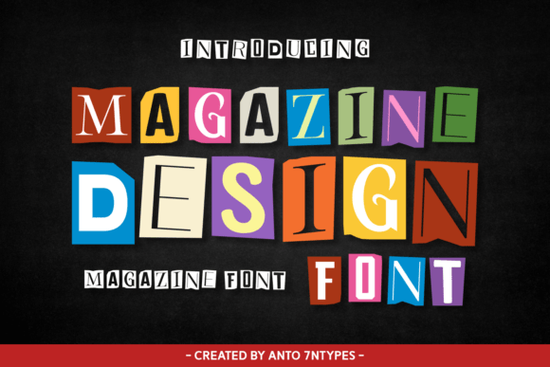
If you’ve ever wanted your designs to feel like they jumped off the pages of a 1970s zine or a playful scrapbook, Magazine Design Font might be exactly what you’re looking for. It’s got that hand-cut, ransom-note charm bold, quirky, and full of personality. Whether you’re designing book covers, merch, social media graphics, or packaging, this font brings a retro punch without feeling outdated. And yes, it’s as fun to use as it sounds.
What kind of projects is Magazine Design Font best for?
This isn’t a font you’d use for body text in a novel but that’s not its job. Think of it as your go-to for headlines, logos, posters, and anything that needs to grab attention with a wink. Here’s where it really shines:
- Book and magazine covers especially indie titles, poetry collections, or lifestyle zines.
- T-shirts, mugs, tote bags if your POD store leans into vintage humor or collage aesthetics, this font fits right in.
- Instagram quotes and stories its chunky letters pop on mobile screens and pair well with textured backgrounds.
- Branding for small businesses coffee shops, record stores, or handmade goods labels that want to feel nostalgic but not stuffy.
It also plays nicely with other display fonts. Try pairing it with something smoother like Groovy Melt for contrast, or layer it over Bloomsy if you’re going for a maximalist collage look.
Does it work for print and digital?
Absolutely. The weight and spacing are designed to hold up whether you’re screen-printing on fabric or exporting PNGs for web banners. You won’t lose legibility at smaller sizes either though we still recommend using it for titles or short phrases rather than paragraphs.
One thing users love? How easy it is to customize. Because each letter has that “cut-and-paste” texture, even basic kerning tweaks can make your layout feel uniquely handcrafted. No two uses have to look the same.
How does it compare to other retro display fonts?
There’s no shortage of vintage-inspired typefaces out there, but Magazine Design Font stands out by leaning into imperfection. It doesn’t try to be clean or geometric it’s meant to feel assembled, tactile, alive.
Compare it to Remember Things, which has softer, more rounded edges, or Selina Daniel Duo, which offers elegant script pairings. Magazine Design doesn’t compete it complements. Use it when you need energy, not elegance.
Can beginners use it effectively?
Yes and that’s part of why it’s so popular. You don’t need advanced typography skills to make it work. Just drop it into your design tool, pick a size that fills your canvas, and let the font do the heavy lifting. Its built-in personality means even minimal layouts look intentional.
Pro tip: Try adding a subtle paper texture or grain overlay in your background. It enhances the analog vibe without distracting from the text. Also, avoid overly bright neon colors earth tones, muted pastels, or black-and-white combos let the font’s character breathe.
Is it worth buying for occasional use?
If you create content even semi-regularly say, monthly social posts, seasonal merch drops, or client projects with a retro twist then yes. At Creative Fabrica’s usual pricing (especially during their frequent sales), it’s a low-risk addition to your toolkit.
And because it’s licensed for commercial use, you can confidently sell products or services featuring it. No hidden fees or usage caps just download, install, and start designing.
What file formats come with the download?
You’ll typically get both OTF and TTF files, which work across Adobe apps, Canva, Affinity, Silhouette Studio, Cricut Design Space, and most modern design software. Some bundles may include bonus alternates or ligatures too always check the product page for specifics.
If you’re unsure how to install fonts, Creative Fabrica’s help section walks you through it step by step. Takes less than five minutes, even if you’ve never done it before.
Quick checklist before you start designing:
- Use sparingly one headline or focal phrase per layout is enough.
- Pair with simple sans-serifs let Magazine Design be the star; keep supporting text clean.
- Experiment with scale some letters look even better when stretched or slightly rotated.
- Add texture scanned paper, ink blots, or halftone patterns amplify the vintage mood.
- Test readability especially if printing small (like on stickers or tags).
Ready to give it a spin? Start with a quote, a product name, or a mockup something short and punchy. You’ll see right away why so many designers keep this font handy for projects that need to feel human, handmade, and just a little bit rebellious.
Get Started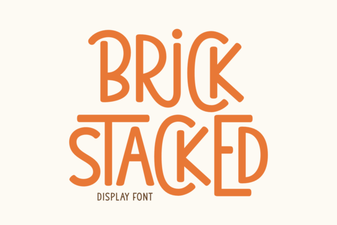 A Modern Font for Structural Design Ideas
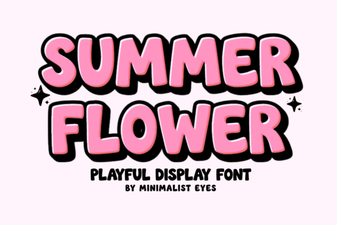 Bright Summer Flower Fonts for Your Designs
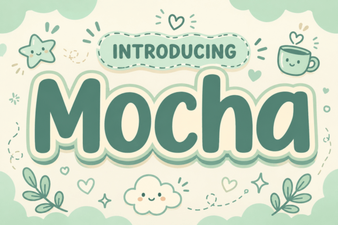 The Motcha Font: Design Versatility & Creative Ideas
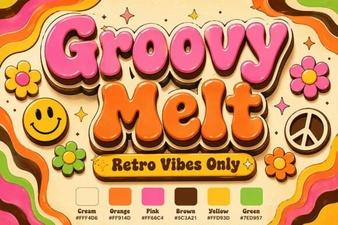 Groovy Melt: a Fun Font for Retro Designs
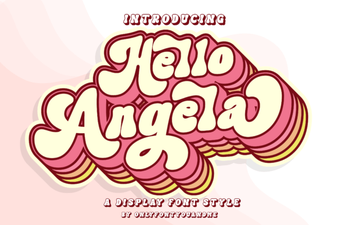 Hello Angela Font: Download & Installation Guide
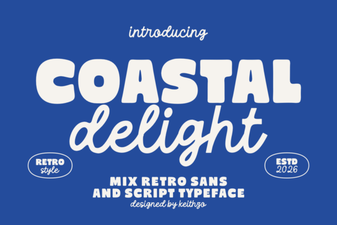 Coastal Delight Font for Creative Beach Designs